
If you’ve looked into ADHD or autism assessments, you’ll have noticed they vary enormously. Some take weeks, with hours of interviews and reports from people who know you well. Others are one video call and a questionnaire. Both might end with the same word on a letter, but they are not the same thing.
So what should a good assessment actually involve?
What the guidelines say
In the UK, the National Institute for Health and Care Excellence (NICE) sets out how ADHD and autism should be assessed.
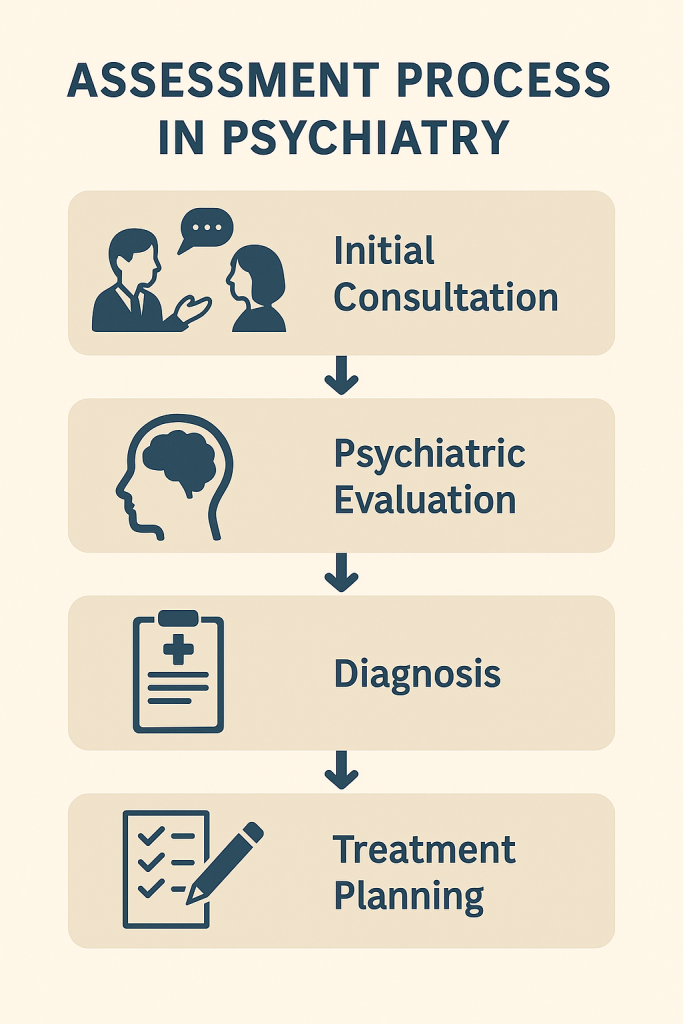
For ADHD, NICE says a diagnosis should only be made by a specialist with training and expertise in ADHD, after a full clinical and psychosocial assessment. That means looking at how symptoms show up in different parts of your life, taking a full developmental and mental health history, and hearing from other people who know you where possible. It also says the diagnosis shouldn’t rest on rating scales or observation alone.
For autism, NICE recommends a comprehensive assessment by someone with the right skills and experience, or by a team. It should include a detailed developmental history, a look at how you’re managing now, and a check for other conditions that often come along with autism, such as anxiety or ADHD. Structured tools can help, but again they’re there to support clinical judgement, not replace it.
Your whole life, not just a checklist
The questionnaires matter less than people think. Lots of things can look like ADHD or autism from the outside: anxiety, low mood, trauma, poor sleep, a very stressful job, and plenty more. A good clinician is curious about all of them. They want to know what you were like as a small child, what school was like, what your parents or partner notice, and when things started to feel harder.
That takes time, and it should.
The bit that’s often missing: an explanation
A good assessment ends with more than a yes or no. It should give you a formulation, which is a plain-English explanation of why you’re struggling, how it developed and what is likely to help. That might include therapy, practical strategies, changes at work or school, or a referral to discuss medication.
Without that, people often leave with a label and no idea what to do with it.
Questions worth asking before you book
- Who will carry out the assessment, and what is their training?
- Will they speak to someone who knew you as a child, or who knows you well now?
- How long does it take, and how many appointments are involved?
- Will they look at other possible explanations, not just ADHD or autism?
- Will you get a written report with recommendations, and what support is there afterwards?
A good service will be happy to answer all of these.
If you’re weighing up an assessment, what’s the question you most want answered?
Read more about what an adult ADHD assessment involves, or about my ADHD assessments and autism assessments.